
Good communication is the foundation of a strong and positive relationship with your dog. Just as we rely on communication to build relationships with people, understanding how dogs communicate is key to developing a bond with your pet. Dogs naturally use body signals to interact with each other and will extend these same methods to communicate with you. As a pet owner, your role is to learn how to interpret these signals, enabling your dog to express their needs—whether it’s food, playtime, outdoor breaks, or affection—in a way that fosters understanding and mutual respect.
It’s easy to focus on correcting bad behavior while forgetting to acknowledge and reward good behavior—a common mistake with pets and even children. However, reinforcing positive behavior with praise, attention, and treats is far more effective in shaping your dog’s actions.
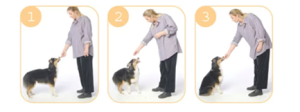
Teaching your dog to sit before interacting with people is one of the most valuable lessons they can learn. This skill helps them develop self-control and improves their social interactions.
Teaching Your Dog to Sit
Dogs, like humans, are social animals that seek interaction and attention. Ignoring unwanted behavior is one of the most effective ways to correct it.
For example, if your dog jumps on you:
If your dog has previously been rewarded for behaviors like barking or jumping by gaining your attention, be prepared for them to intensify these behaviors initially before giving up. Persistence and consistency on your part are crucial to changing their behavior.
Playtime is essential for a dog’s mental and physical well-being, but it’s also an opportunity to reinforce good behavior. Teach your dog to:
By focusing on positive reinforcement, clear communication, and consistent training, you can shape your dog’s behavior while strengthening your bond. Dogs are eager to learn and thrive in environments where their good actions are rewarded, and their boundaries are clear.
If you encounter challenges or need additional guidance, consult with a veterinarian or a behavior specialist to ensure you’re providing the best training and care for your pet. With patience, understanding, and commitment, your dog can become a well-behaved, happy, and integral part of your family.
