Eye Care
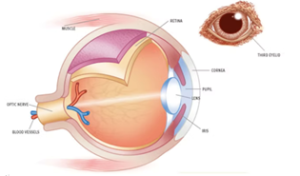
Your dog’s eyes are a vital part of their overall health and well-being. Healthy eyes should appear clear, bright, and free from dirt, discharge, or inflammation. Regular care and attention can help you detect and address potential eye issues before they become serious.
Common Symptoms of Eye Issues
Be alert for any of the following symptoms, which may indicate an eye problem:
- Red or inflamed inner eyelids
- Matter or discharge stuck on the surface or corners of the eye
- Cloudiness or dullness in the eyeball
- The third eyelid becoming visible across the eye
- Excessive tearing or unusual discharges
- Tear-stained fur around the eyes
Early detection is key to preventing discomfort and complications.
Eye Tests to Diagnose Problems
To accurately identify eye conditions, your veterinarian may perform the following diagnostic tests:
- Ocular Pressure Test: Measures pressure inside the eye to detect glaucoma.
- Ophthalmoscope Exam: Allows a detailed view of the inner structures of the eye.
- Schirmer Tear Test: Assesses the level of tear production to check for dry eye.
- Fluorescein Stain Test: Highlights corneal ulcers or scratches.
Common Eye Conditions and Their Symptoms
Conjunctivitis
An inflammation of the membrane lining the eyelid and the white of the eye, conjunctivitis can result from infections (bacterial or viral), allergies, irritation, or inadequate tear production. Symptoms include redness, swelling, and discharge.
Keratoconjunctivitis Sicca (Dry Eye)
Dry eye occurs when the tear glands fail to produce enough tears, often due to immune system damage, viral infections, allergies, or injuries. If untreated, chronic dry eye can lead to vision loss. Certain breeds are more predisposed to this condition.
Corneal Ulceration
Scratches, inadequate tear production, or bacterial infections can cause corneal ulcers, which are very painful and result in squinting or excessive blinking. Breeds with prominent, bulbous eyes or aging dogs are at greater risk.
Epiphora
Persistent eye “weeping” or stained fur around the eyes may indicate a blocked tear duct or abnormal tear flow.
Cataracts and Glaucoma
- Cataracts: Clouding of the lens inside the eye, often seen in elderly or diabetic dogs, is the most common cause of blindness. Cataracts can be hereditary in some breeds, so early evaluation is critical.
- Glaucoma: Results from increased pressure within the eye due to inadequate fluid drainage. Glaucoma requires early intervention to prevent severe damage or blindness.
Administering Eye Drops
- Muzzle your dog if necessary.
- Gently clean the area around the eyes with a cotton ball moistened with warm water.
- Shake the bottle if required and check the dosage instructions.
- Use one hand to hold the bottle and the other to support your dog’s head under the jaw.
- Tilt the head back and hold the eyelids open with your fingers to prevent blinking.
- Hold the bottle close to the eye (but avoid touching the eye) and squeeze the drops onto the eye’s surface.
- Release your dog’s head and allow them to blink, which will spread the medication.
Applying Eye Ointment
- Muzzle your dog if necessary.
- Clean the eye area with a warm, moistened cotton ball to remove any discharge.
- Check the dosage instructions on the ointment tube.
- Pull back the upper and lower eyelids gently.
- Hold the tube at a 45° angle and squeeze the ointment onto the edge of the lower eyelid without touching the eye. Alternatively, apply the ointment to your finger and gently wipe it into the corner of your dog’s eye.
- Lightly massage the eyelids together to spread the ointment.
- Release your dog’s head and let them blink to distribute the medication.
Tips for Successful Eye Care
- Always administer medications for the full prescribed term to ensure effectiveness.
- Stay calm while treating your dog to avoid making them nervous or resistant.
- Offer plenty of praise and reward your dog with a treat after administering medication to make the process positive and stress-free.
When to Seek Veterinary Advice
If you notice persistent symptoms such as redness, cloudiness, discharge, or changes in your dog’s behavior related to their eyes, contact your veterinarian promptly. Early treatment can prevent discomfort and potential vision loss.
Proper eye care ensures your dog’s vision remains healthy and clear for years to come.

