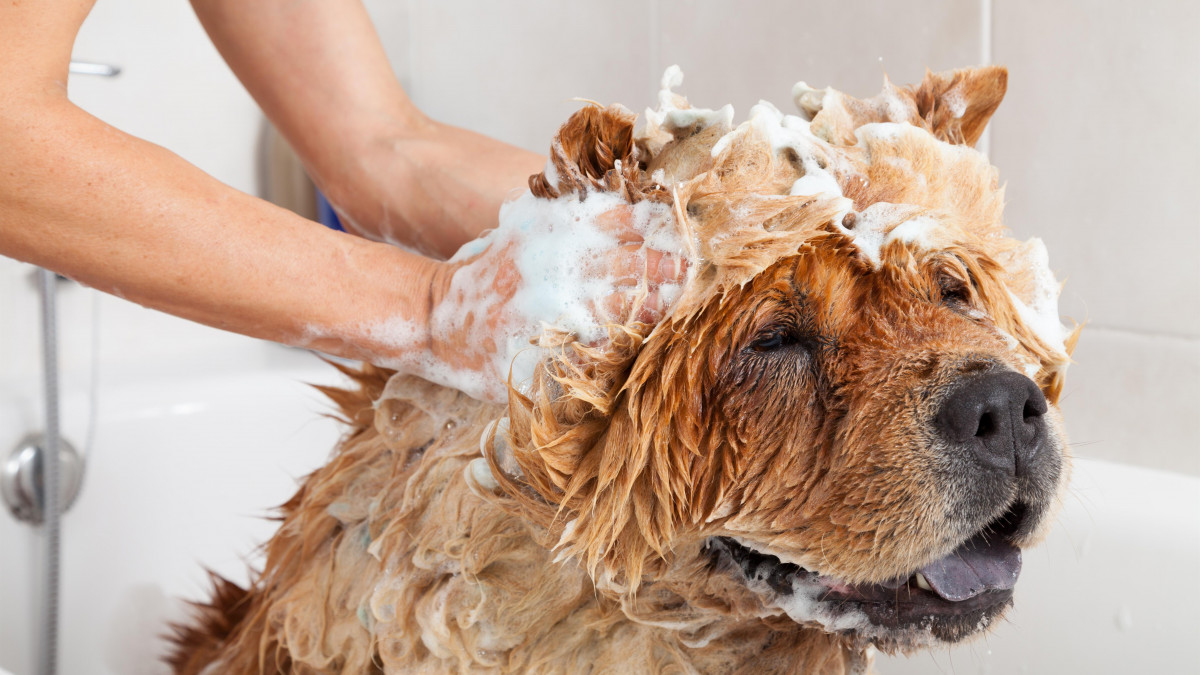
It’s important to give your dog a bath before surgery, as they won’t be able to get wet for approximately two weeks afterward while their wounds heal. Bathing them beforehand ensures they stay clean and comfortable during recovery.
Fasting
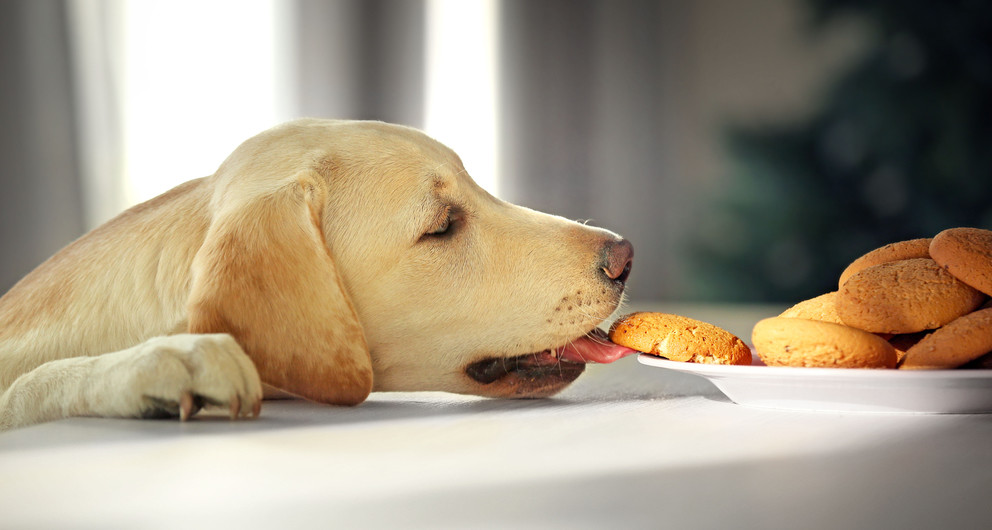
Your pet’s stomach must be empty before undergoing anesthesia to reduce the risk of vomiting, aspiration, or pneumonia during recovery. Please follow these fasting instructions carefully:
Do not feed your pet after 10:00 PM the night before surgery.
Water is allowed overnight but should be removed by morning.
On the morning of the procedure, ensure your pet does not eat anything.
If your pet accidentally consumes food, please inform us immediately, as this may require rescheduling the procedure to avoid complications.
Blood Tests
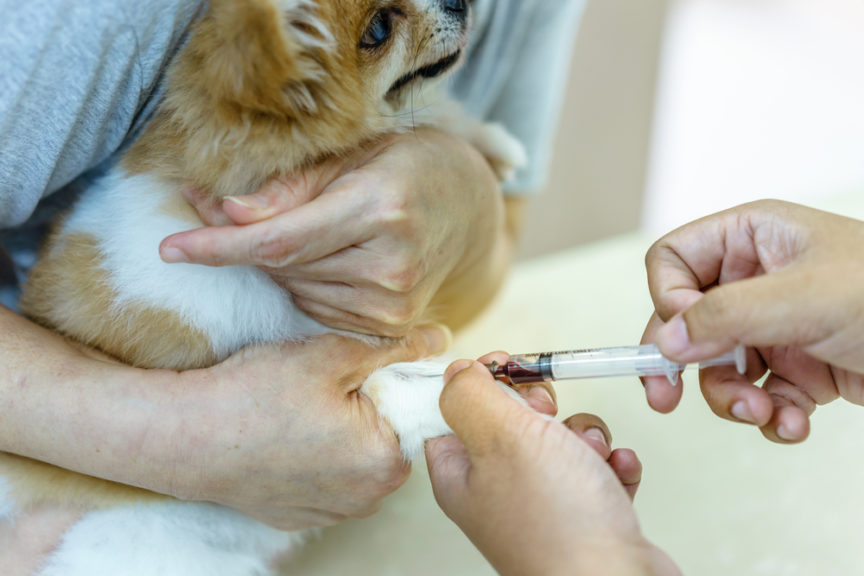
Before administering anesthesia, we perform a complete physical examination to identify any medical conditions that could increase the risk of complications. However, a physical exam alone may not uncover all health issues. Pre-anesthetic blood tests are highly recommended, as they can identify underlying conditions and reduce the risks of anesthesia.
Blood tests are particularly recommended for pets over 5 years of age to check kidney and liver health, ensuring they are fit for anesthesia.
Vaccination and Parasite Control
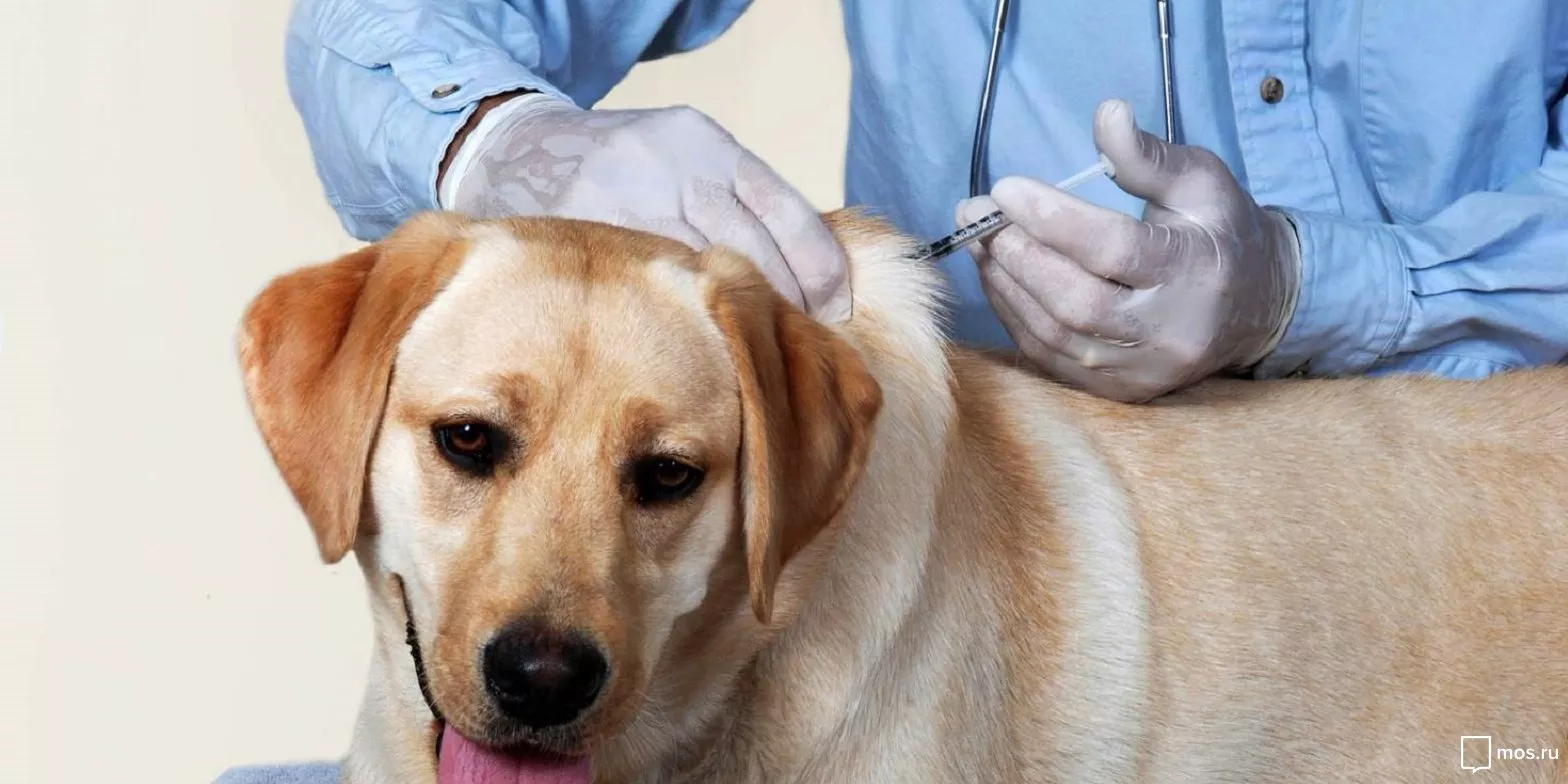
For your pet’s safety and the well-being of other patients, it’s essential that your pet’s vaccinations, worming, and flea treatments are up to date before surgery. If you have questions about your pet’s vaccination status or parasite control, please contact us ahead of time for guidance.